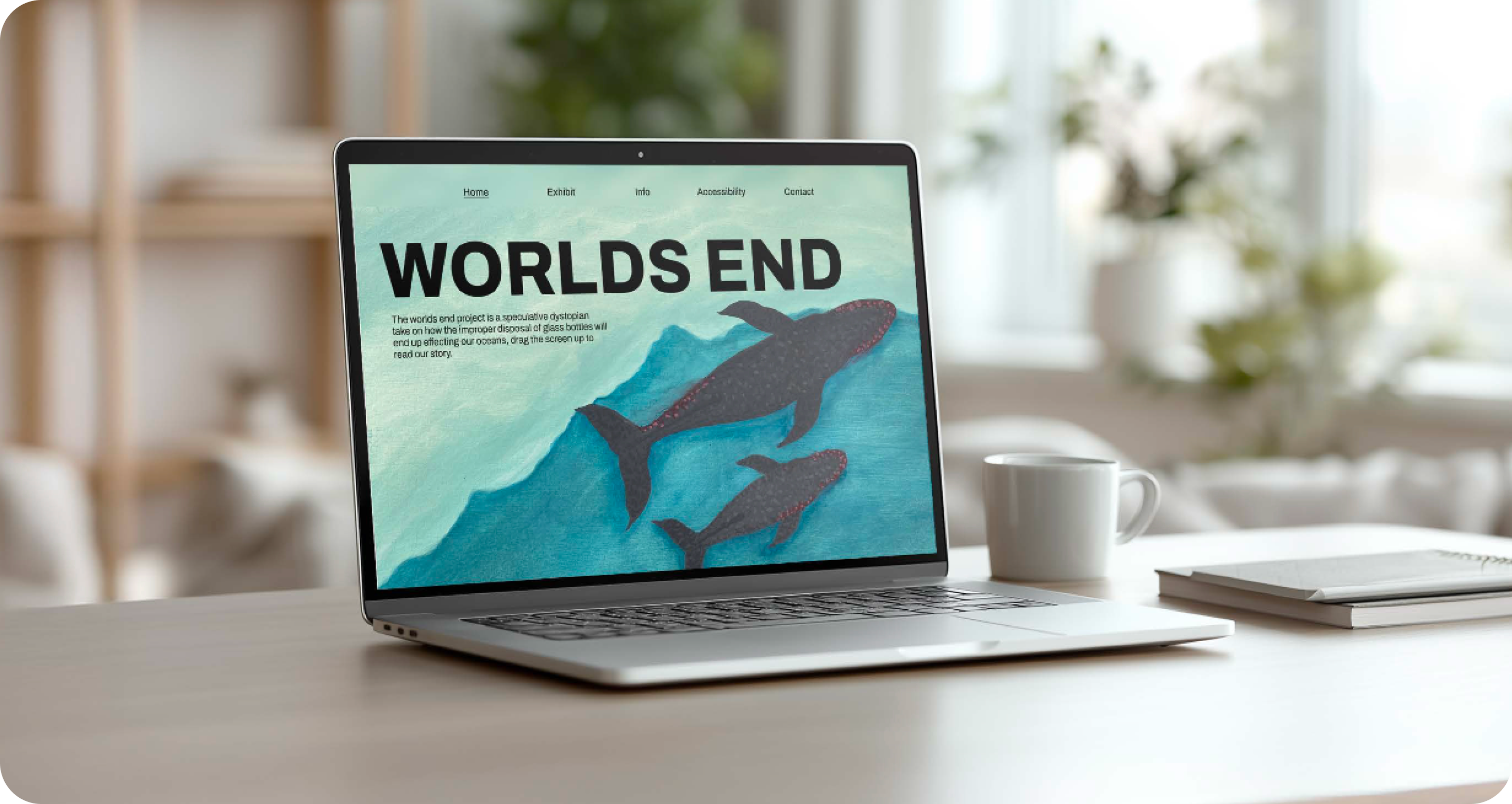
Worlds End
2025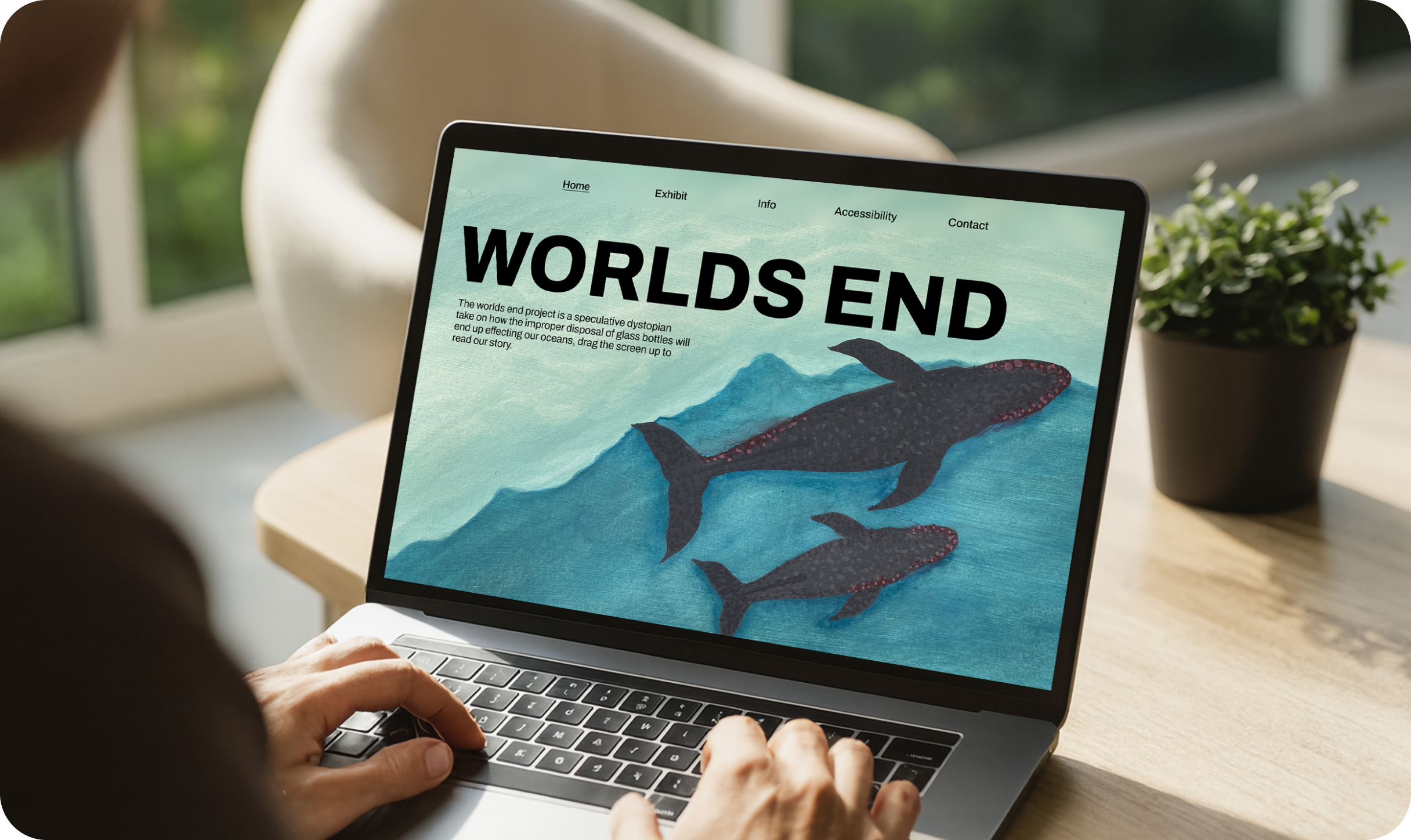
Overview
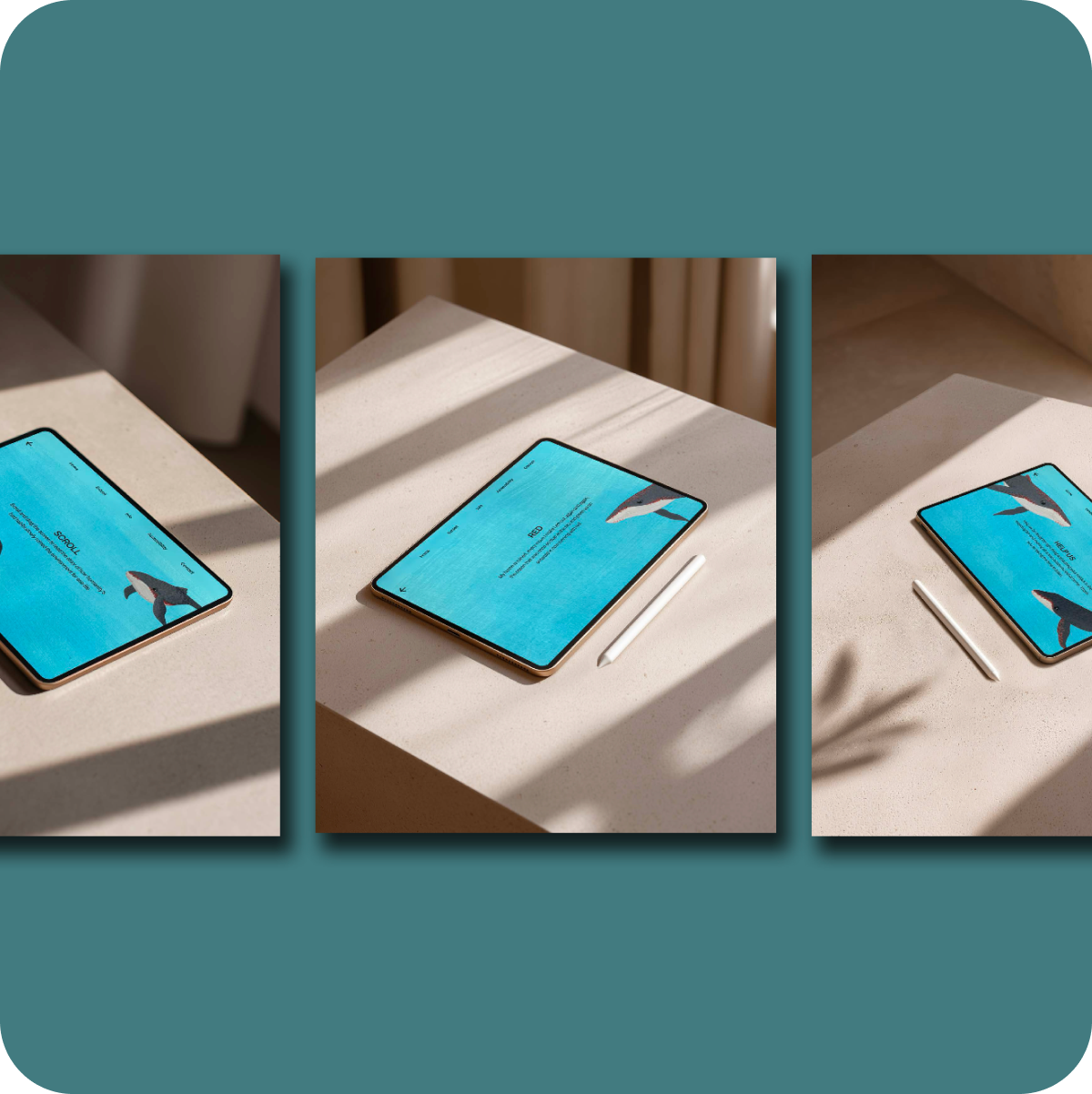
Worlds End is an immersive storytelling website designed to encourage sustainable actions and create an emotional connection to the ocean. With this project, I aimed to encourage sustainable thinking and connect people to the underlying issue of global warming through experimentation and investigations.
The challenge
The challenge of this project was to explore and investigate an issue in the world that we were interested in. In my case, I chose global warming and further refined that down to ocean pollution. I chose this subject as I have always been around the ocean, even since I was a child, therefore I feel a large sense of connection to it.
Through this project, I explored how storytelling and interactive design could create an impactful and emotional connection to the audience and encourage more sustainable actions.
The question
How might I use website design and illustration to harness speculative design and provoke changes in behaviour when it comes to discarding glass bottles rather than re-using them.
Findings
Throughout the testing that was conducted during the four sets of experimentation, key insights that guided my decisions regarding utopian vs dystopian are as follows:
- Enjoyed the lighter colours
- Liked the message behind the dystopian websites
- Didn't like the lack of design in the dystopian websites
These tests helped me to base my project in a dystopian light while still including the preferences for the audience, such as brighter colours.
Ideation
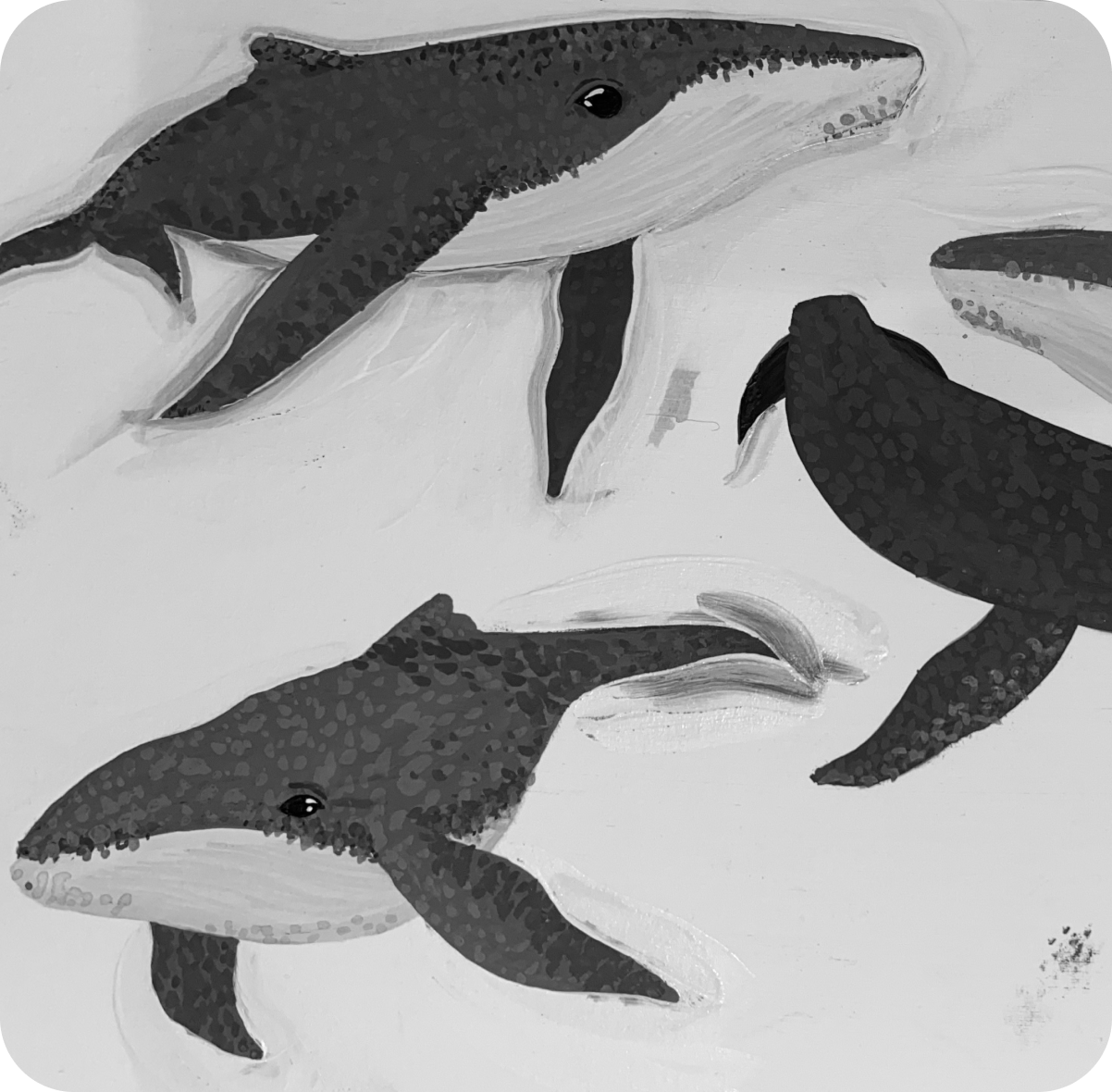
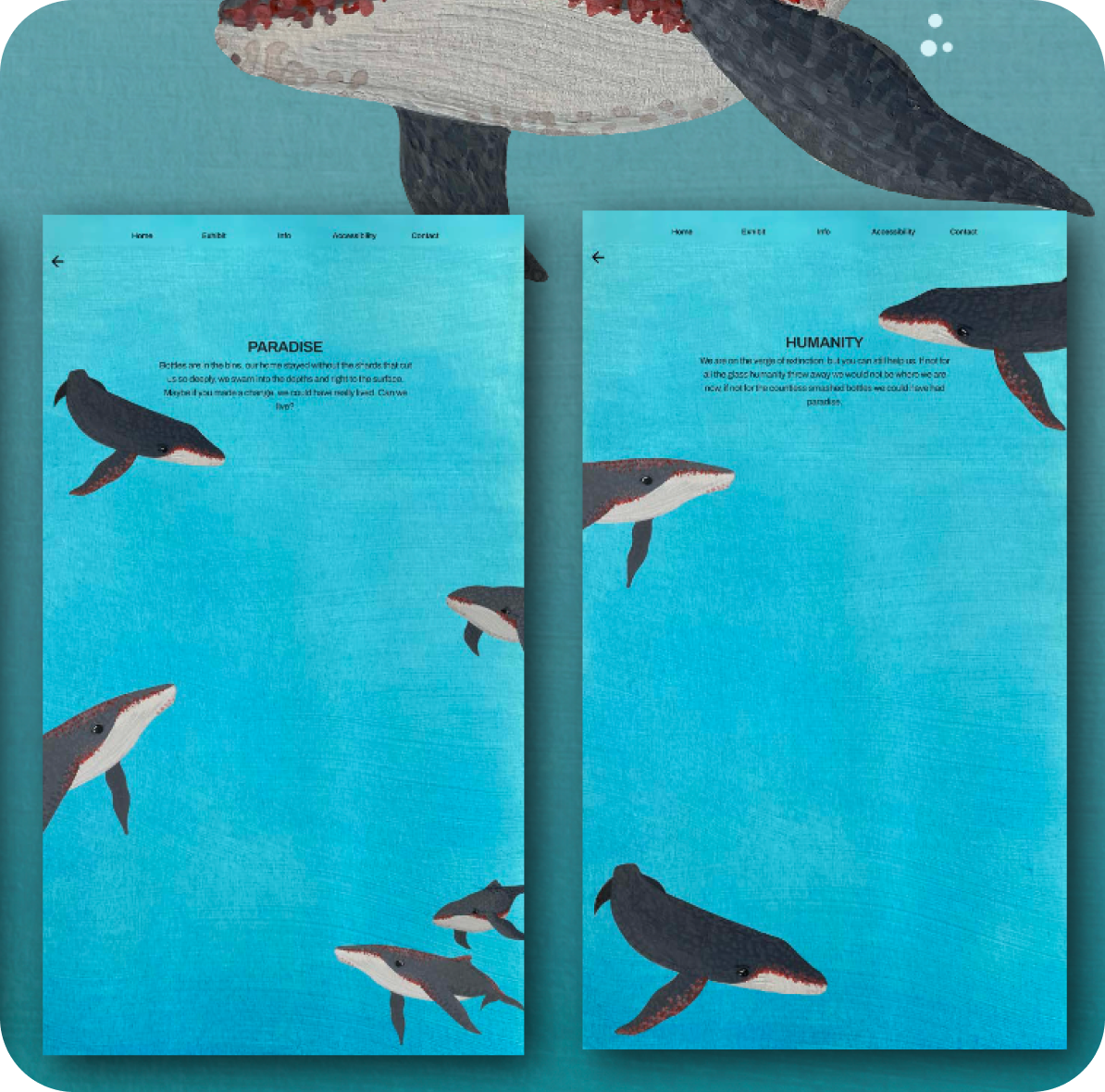
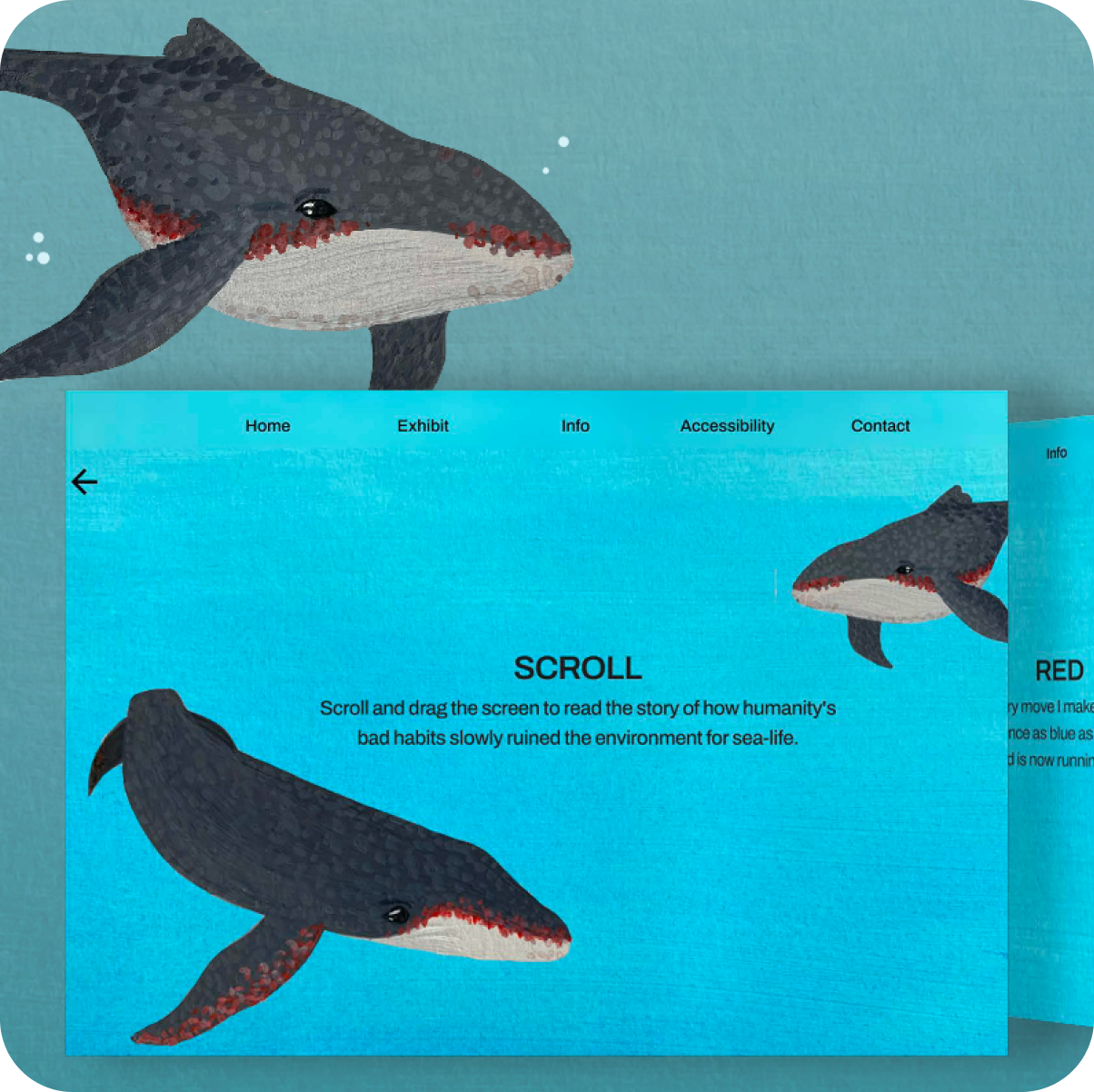
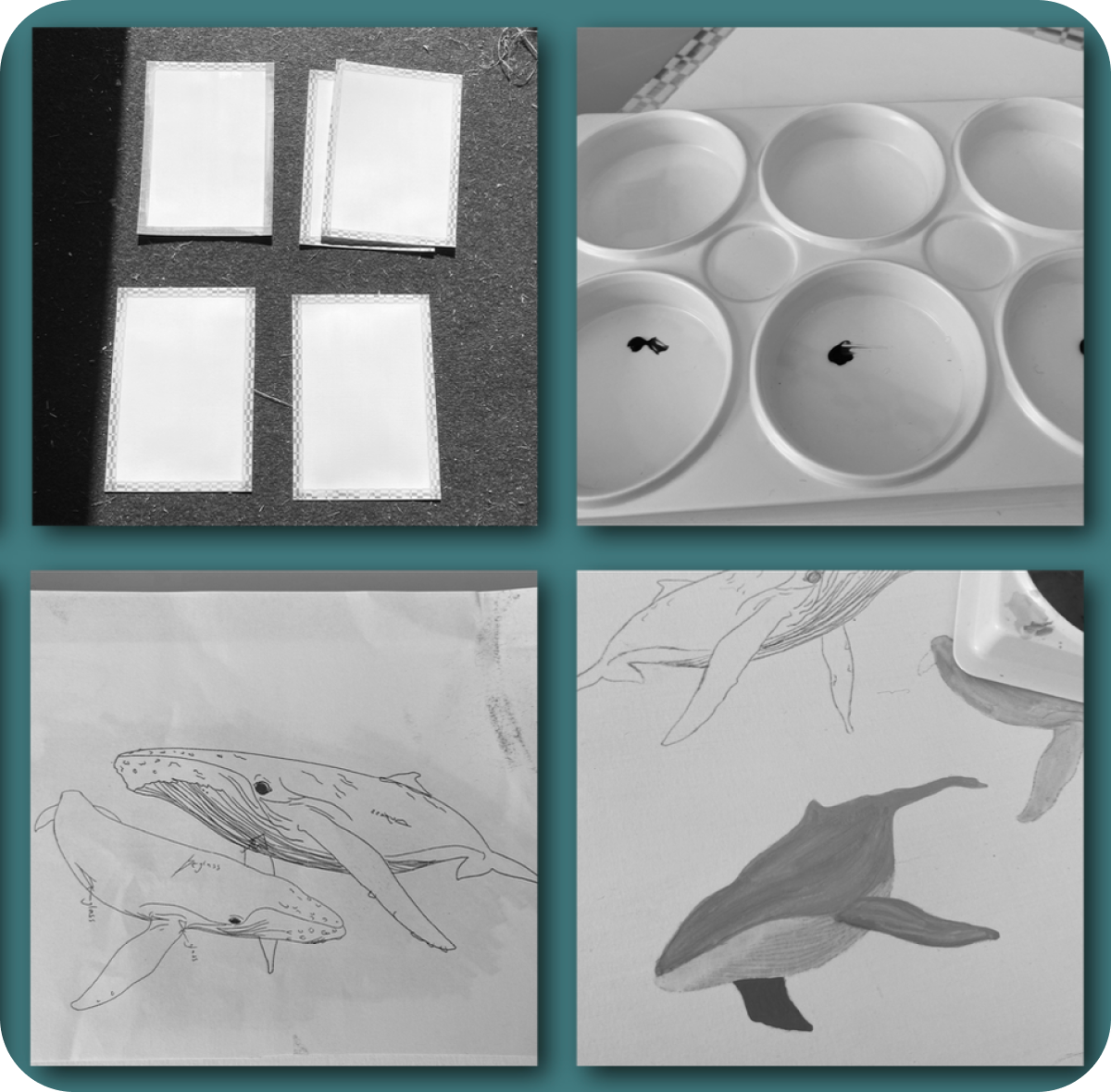
The ideation stage was focused mainly on exploring different potential directions, defining research questions, and creating concepts through research, sketching, experimentation and prototyping. This process allowed for me to evolve my ideas openly and helped me a lot when it came to identifying an abstract way such as parallax scrolling along with storytelling to portray an issue indirectly to the audience.
The solution
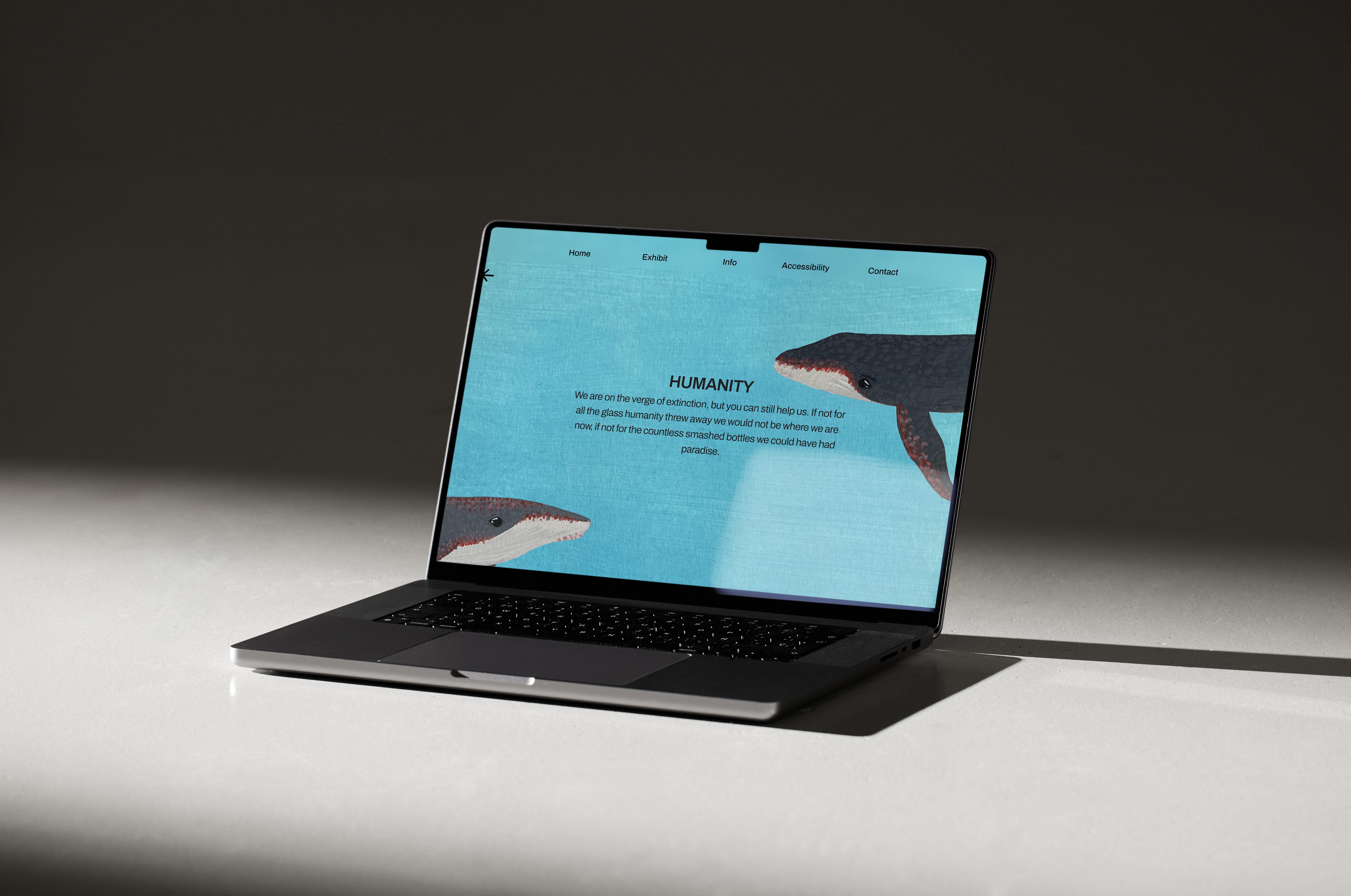
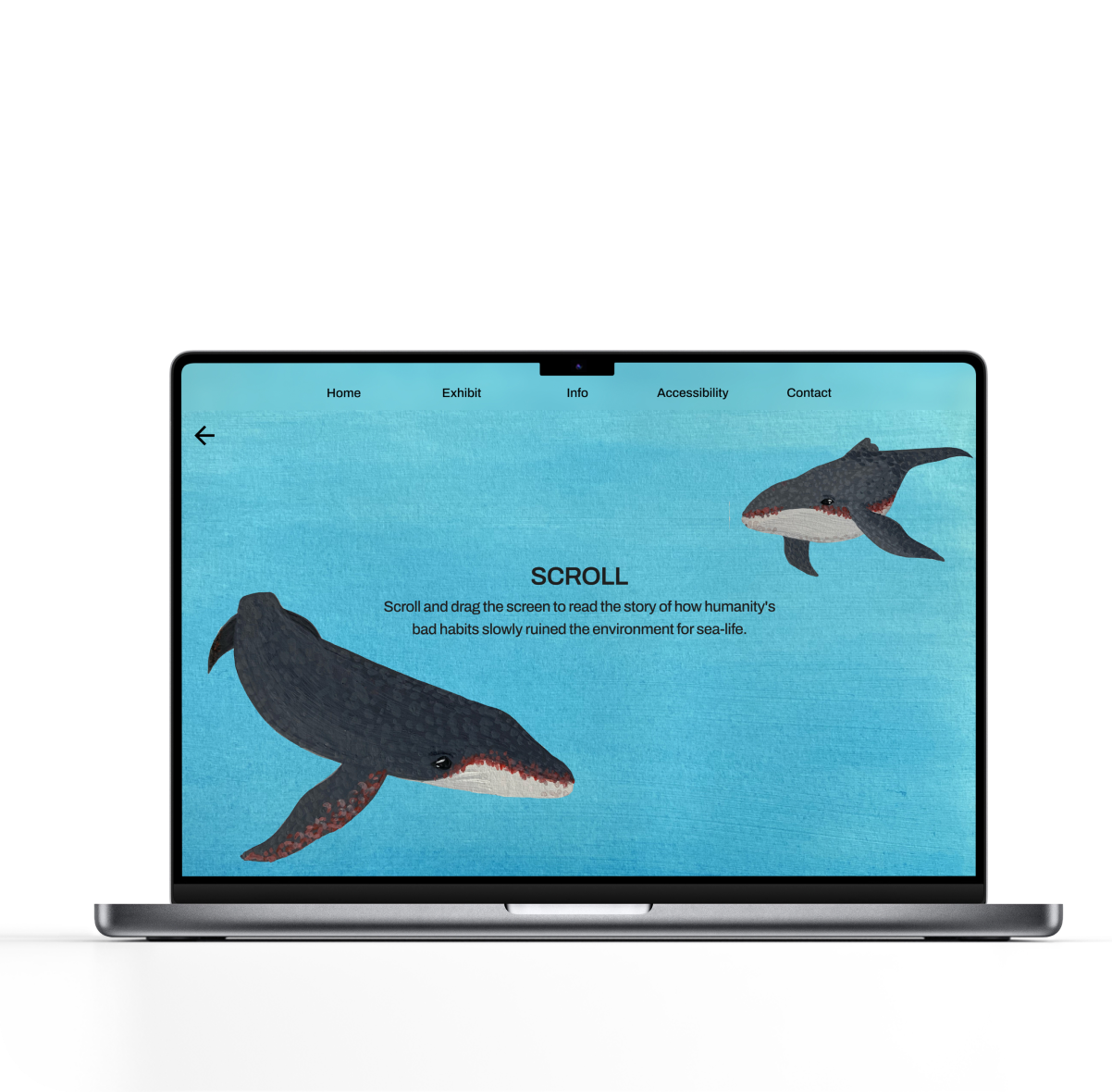
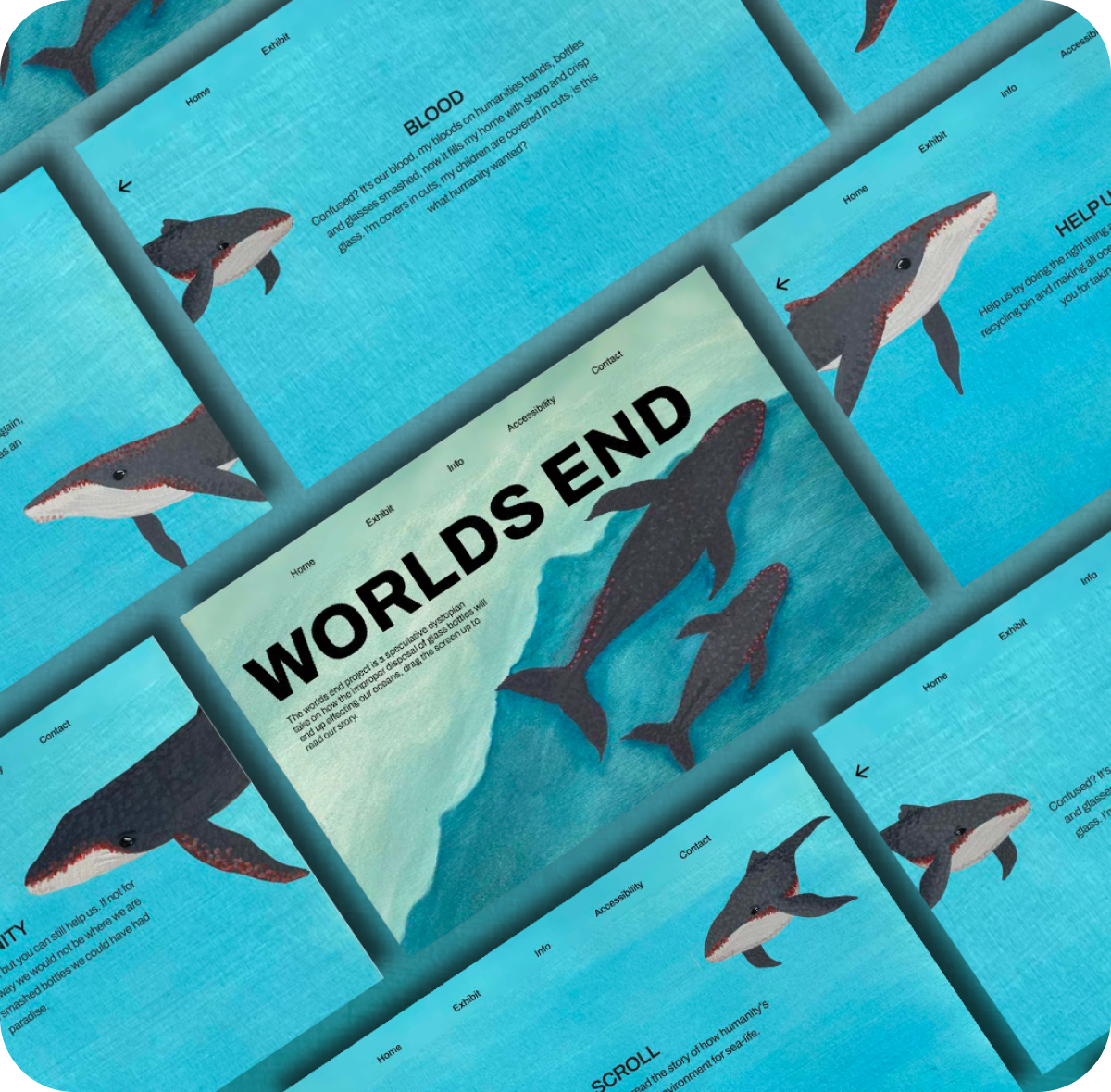
The solution for the project was to create a dystopian, interactive storytelling website that used illustration, emotion, and parallax scrolling to address what our future may look like if we continue with our current habits. By doing this, the user would be moved to start change, whether that's by donating to an organisation, or being better at recycling, the solution is there to start that change in the user.
Approach
The approach to this project was highly experimental, with a minimum of four experiments required. For this I chose to conduct interviews into the effects dystopian versus utopian, experiment with illustration, storytelling, and implementing this all together. Some of the processes I used are as follows:
- User testing
- Paper prototyping
- Lo-fi prototyping
- Feedback
- Sketching
- Illustration
The Outcome
The final outcome of the Worlds End project was highly positive with many users in the final testing phase being both emotionally connected with the ocean and aware of why their actions with glass matter.
All in all, through parallax scrolling and illustration, this narrative driven project was brought to life and succeeded in creating a change in the audience's mindset and encouraged self-reflection.